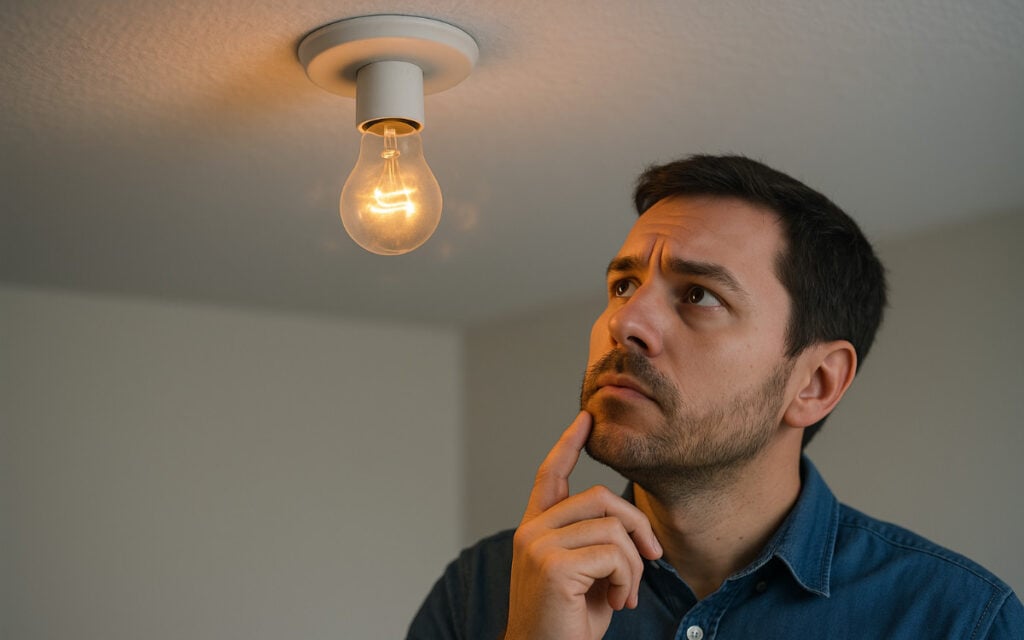
Have you ever noticed those moments when you start your microwave, and suddenly your kitchen lights flicker or dim? It’s a subtle yet surprising event that can leave you wondering if something’s wrong with your home’s electrical system, or worse, if there’s a safety issue looming. While flickering lights can feel unsettling, it’s a surprisingly common experience with microwaves, especially in homes where multiple high-powered appliances share the same circuits.
At BelRed Heating, Cooling, Plumbing & Electrical, we understand that a flicker today might be a sign to take action tomorrow. Let’s unpack why this happens and what practical steps you can take to keep your home’s electrical system safe, sound, and flicker-free.
The Power Tug-of-War: Your Microwave and Home Wiring
Microwaves are workhorses in many kitchens, designed to heat your meals quickly by drawing a large burst of power. When you start your microwave, it can cause a sudden surge in electricity usage, the electrical equivalent of a strong player taking the spotlight on stage, temporarily overshadowing others. This surge can lead to a brief drop in voltage, which often causes your lights on the same circuit to flicker or dim momentarily.
Think of your home’s electrical system as a network of roads: if one road suddenly experiences heavy traffic, it slows down movement on all roads connected to it. Similarly, when the microwave demands a hefty chunk of electricity, the other “roads” (circuits powering your lights, refrigerator, or other appliances) experience the ripple effects. This interaction explains a lot about why those lights are flickering right when the microwave comes on.
Shared Circuits: Why Your Lights and Microwave Get Tangled
Many homes, especially those built a couple of decades ago, have multiple appliances and lighting fixtures wired on the same circuit. This means that your microwave, refrigerator, toaster, or coffee maker might all be pulling power on the very wires that bring electricity to your kitchen lights.
That shared wiring setup often works fine until the combined demand exceeds the circuit’s capacity. When the microwave kicks into high gear, the electrical current to other appliances and lights might momentarily drop, resulting in that unmistakable flicker. Older homes are especially prone to this because they weren’t necessarily designed with today’s energy-hungry appliances in mind.
When Wiring Ages: The Silent Cause Behind Flickering Lights
Beyond circuits sharing power, the actual wiring in your home plays a huge role in electrical stability. Many older homes have wiring that may no longer meet modern codes or has worn down over time. Worn wires, corroded connections, or loose terminals can amplify the flickering effect, especially when large appliances like microwaves demand power spikes.
And it’s not just the wires behind your walls. The quality of your light bulbs matters, too. Cheap LEDs or old incandescent bulbs are more sensitive to minor voltage dips, making flickering more noticeable even if the underlying electrical current fluctuation is small.
What Triggers Flickering? Common Causes Decoded
Let’s get into some of the common causes of flickering lights when you use your microwave:
- Overloaded Circuits: When your microwave shares a circuit with several other high-demand appliances (think refrigerators, dishwashers, toasters), the total load can exceed what the circuit safely supports. This shortfall causes voltage drops leading to flickering.
- Shared Wiring Layouts: In many homes, circuits aren’t separated by appliance type, resulting in voltage fluctuations as the microwave powers up and down.
- Insufficient or Outdated Wiring: Homes with old wiring might face voltage inconsistencies because the wires weren’t sized or installed for modern loads.
- Microwave Malfunction: Sometimes, the microwave itself draws more power than normal due to internal issues, further exacerbating flickering.
- Bulbs Sensitive to Voltage Changes: Lighting fixtures with lower-grade or incompatible bulbs can flicker more noticeably.
Being able to identify these causes can make a big difference when deciding what fixes to prioritize.
Your Best Bet: Why a Dedicated Circuit Matters
One of the most straightforward and effective ways to tackle flickering lights caused by your microwave is installing a dedicated circuit for that appliance. When your microwave has its own line, separate from your lighting and other kitchen appliances, it gets the full, uninterrupted power it needs without stealing electricity from other devices.
This simple solution not only cuts down on flicker but also protects your home’s electrical system from potential overloads. If you’re unsure whether your microwave shares a circuit or could benefit from a dedicated one, our licensed electricians at BelRed can evaluate your home’s wiring and recommend the best course of action.
Upgrading Wiring: A Smart Move for Safety and Comfort
If your home’s wiring is on the older side, you might find that even a dedicated circuit isn’t enough to fully prevent flickering or electrical hiccups. Upgrading your wiring and electrical panel can provide a more robust and reliable supply of power throughout your home.
This kind of upgrade helps ensure that every appliance (heating systems, cooling units, kitchen gadgets, and lighting alike) has the consistent voltage it needs to perform safely and efficiently. At BelRed, we specialize in electrical upgrades that meet modern energy demands and come with the peace of mind of professional installation and a lifetime limited warranty.
Don’t Overlook Your Lighting: Bulbs Matter
You might be surprised to learn that sometimes the problem isn’t your wiring or your microwave, it’s your light bulbs. Older bulbs and some entry-level LED bulbs can be more susceptible to flickering during minor voltage drops.
Switching to high-quality, compatible LED bulbs can help your lights maintain a steady glow even when your microwave cycles on. This small adjustment can make a big difference in evening out those flickering moments and improving your home’s overall ambiance.
When the Microwave Is the Problem
Not all flickering is caused by your home’s electrical system. In some instances, your microwave itself might be pulling more power than it should because of age or malfunction. Signs such as strange noises, inconsistent cooking, or visible wear and tear are clues your microwave might be overdue for repair or replacement.
Remember, routine maintenance of your appliances is just as vital as maintaining your home wiring. BelRed’s team offers expert electrical inspections and can help determine if your microwave needs servicing to protect your home’s electrical health.
Take Charge: Practical Steps to Stop Flickering
Here’s what you can do today to tackle flickering caused by your microwave:
- Schedule an Electrical Assessment: A licensed electrician can evaluate your home’s circuits and wiring to identify issues before they become hazards.
- Consider a Dedicated Microwave Circuit: Installing separate lines for high-power appliances is a wise upgrade that pays off in stability and safety.
- Update Wiring if Needed: If you live in an older home, wiring upgrades bring your electrical system into the modern era.
- Invest in Quality Bulbs: High-quality, compatible LED bulbs reduce flicker sensitivity.
- Maintain Your Microwave: Keep your appliance in good working order to prevent unnecessary electrical strain.
At BelRed, we’ve been serving the Pacific Northwest for over 35 years, providing trusted electrical, heating, cooling, and plumbing services designed to keep your home comfortable and safe. When it comes to flickering lights or any other electrical concern, our licensed, bonded, and insured experts are ready to help.
Ready to Shine Brighter? Let’s Fix Those Flickers Together.
Flickering lights when using the microwave aren’t just a minor annoyance; they’re often a subtle warning that your home’s electrical system could use some attention. Don’t let those sparks of uncertainty grow into bigger problems. Reach out to BelRed Heating, Cooling, Plumbing & Electrical to schedule an electrical inspection or upgrade. From dedicated circuits to wiring updates and expert appliance advice, we’re here to ensure your home’s electricity flows just right, smooth, steady, and flicker-free.