Heat pumps are known for being reliable, efficient, and well-suited for homes across the Greater Seattle Area. Still, like any system, they rely on a handful of small components to do big jobs. One of the most overlooked is the capacitor. When it starts to fail, the symptoms can be subtle at first, then suddenly very noticeable.
We often talk with homeowners in the Seattle area who say their heat pump just does not feel the same. It might struggle to start, run louder than usual, or stop heating altogether on a chilly morning. In many cases, the issue traces back to a weak or dying capacitor. Knowing the warning signs early can help you avoid bigger repairs and restore comfort faster.
What Is a Heat Pump Capacitor and What Does It Do?
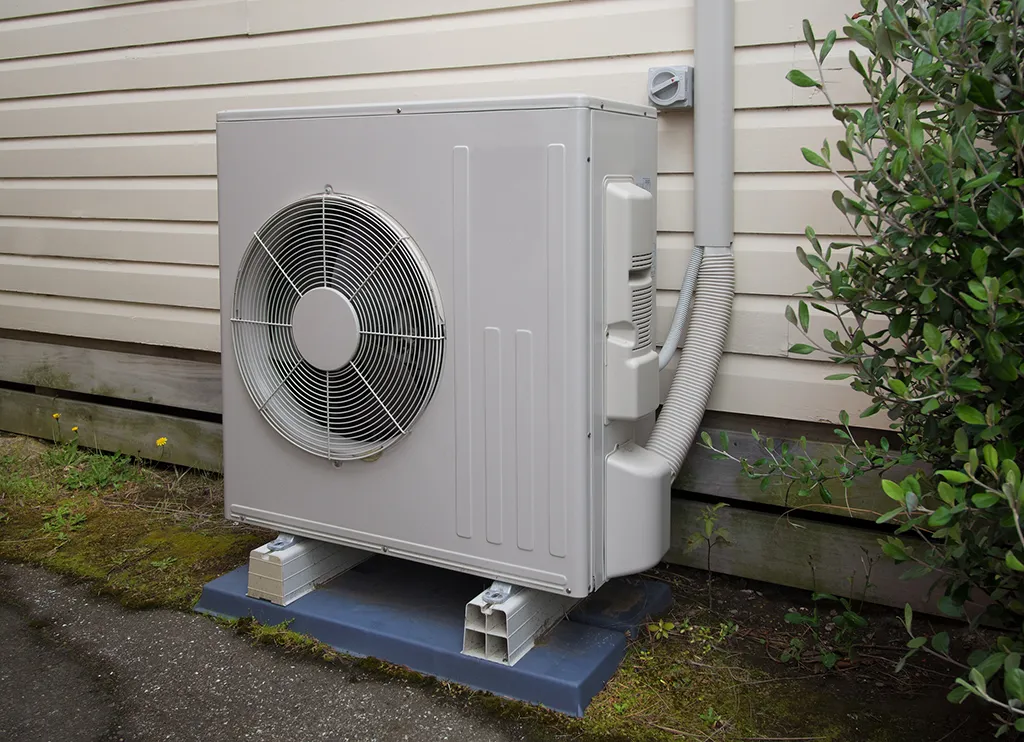
A heat pump capacitor is a small electrical component that stores and releases energy. Its main job is to help motors start and run smoothly. In most heat pumps, capacitors support the compressor, the outdoor fan motor, or both. Without a healthy capacitor, those motors struggle to get moving.
Think of a heat pump capacitor, or AC capacitor, as a quick energy boost. When your system turns on, the capacitor delivers the extra power needed to start the motor, then helps maintain steady operation. Over time, heat, electrical stress, and normal wear cause capacitors to weaken.
Capacitors are critical for proper system performance, even though they are relatively inexpensive parts. When one starts failing, the entire system can act unpredictably. That is why heating experts take capacitor health seriously during inspections and service calls.
Common Warning Signs of A Weak or Failing Capacitor
Capacitor problems rarely announce themselves clearly at first. Instead, they show up as small changes that are easy to brush off. Paying attention to these early symptoms can save you from a sudden system failure.
Some of the most common warning signs include:
- Heat pump struggles to turn on or takes longer than usual
- Humming or buzzing sounds from the outdoor unit
- Fan or compressor that starts, then shuts off
- Reduced heating performance inside the home
- Heat pump turns on but does not blow warm air
As the capacitor weakens further, these symptoms usually become more frequent. Eventually, the motor may not start at all. At that point, the system often shuts down to protect itself, which is when many homeowners finally call for heat pump repair.
How a Bad Capacitor Affects Heat Pump Performance
A failing capacitor does more than prevent your system from starting. It also forces motors to work harder than designed. This extra strain increases electrical draw and heat buildup, which can shorten the life of expensive components like the compressor.
In the short term, you may notice inconsistent heating. The system might cycle on and off or run for shorter periods. Over time, this inefficiency can drive up energy bills and increase wear across the system.
We often see secondary issues tied to capacitor failure, including:
- Tripped breakers or blown fuses
- Overheating motors
- Premature motor failure
- System lockouts
This is why heat pump services focus on early diagnosis. Replacing a capacitor at the right time can prevent a chain reaction of more serious problems.
Why Capacitors Fail More Often in The Pacific Northwest
Our local climate plays a role in capacitor lifespan. The damp, cool conditions common in the Seattle area can stress electrical components, especially in outdoor units. Moisture exposure and temperature fluctuations gradually degrade capacitor materials.
Frequent cycling also contributes. Heat pumps here often run for long stretches during fall and winter, then shift modes in spring and summer. That constant demand adds electrical stress over time.
Other factors that shorten capacitor life include:
- Power surges or unstable electrical supply
- Poor airflow around the outdoor unit
- Age of the system
- Manufacturing tolerances
Even high-quality capacitors typically last only 5 to 10 years. Regular inspections by HVAC professionals help catch weakening capacitors before they fail completely.
Can I Replace My Heat Pump’s Capacitor Myself?
This is a question we hear often, especially from homeowners who enjoy DIY projects. While capacitor replacement may look simple online, it comes with real safety risks. Capacitors can hold an electrical charge even when the system is powered off, which can cause serious injury.
There is also the risk of misdiagnosis. Symptoms that look like a bad capacitor can actually be caused by wiring issues, control boards, or failing motors. Replacing the wrong part does not solve the problem and can sometimes make it worse.
Before attempting DIY replacement, consider:
- Capacitors can deliver dangerous electrical shocks
- Incorrect sizing can damage motors
- Improper installation can void warranties
- Underlying issues may go unnoticed
For most homeowners, professional heat pump repair is the safer and smarter choice. Trained technicians know how to discharge capacitors safely and verify that replacement is truly needed.
When to Call for Professional Heat Pump Service
If your heat pump shows signs of capacitor trouble, early action matters. Waiting until the system fails completely often leads to emergency calls and higher costs. A professional diagnostic can confirm whether the capacitor is weak and check for related issues.
Experienced HVAC professionals use testing tools to measure capacitor performance under load. This ensures the part is replaced only when necessary and with the correct rating. During the visit, technicians also inspect other components that may have been stressed by the failing capacitor.
Calling for professional heating services helps:
- Restore reliable heating quickly
- Protect major components
- Improve system efficiency
- Extend equipment lifespan
Routine maintenance visits are also a great opportunity to catch capacitor wear before it becomes a problem.
Restore Reliable Heat With BelRed’s Heat Pump Experts
A weak or dying heat pump capacitor can quietly undermine your comfort until the system suddenly stops working. At BelRed Heating, Cooling, Plumbing & Electrical, we help homeowners across Woodinville, King County, and the Greater Seattle Area identify and fix these issues before they turn into major headaches.
Since 1986, our team has delivered dependable heating services backed by training, experience, and a genuine commitment to customer care. Whether you need a quick repair or a full system evaluation, our heating experts are ready to help. If your heat pump is showing signs of trouble, reach out to BelRed and let our HVAC professionals restore comfort and peace of mind to your home.