Spring in Woodinville tends to shift quickly from cool nights to warmer days, making it the ideal time to prepare your HVAC system for summer. A little DIY maintenance now can improve comfort, reduce energy bills, and help prevent unexpected breakdowns later. Homeowners who spend just an hour or two checking their systems in spring often experience fewer issues when temperatures climb. The best part is you do not need to be an HVAC expert to handle a few simple, effective steps that set your system up for success.
Are you in need of professional HVAC maintenance? Reach out to BelRed today for trusted furnace maintenance, heat pump maintenance, or AC maintenance. Call us at (855) 345-6161 or contact us online to schedule your next service.
Why Spring HVAC Maintenance Matters in the Pacific Northwest
Living in the Greater Seattle Area means our HVAC systems work differently than those in hotter or colder parts of the country. Our winters are long and damp, and spring often brings pollen, debris, and fluctuating temperatures. All of that affects how your system performs.
During winter, your furnace or heat pump works hard to keep your home warm and dry. By spring, parts can be dirty, filters clogged, and airflow restricted. If those issues go unchecked, your system has to work harder when cooling season arrives. That extra strain can lead to higher energy costs and more wear on key components.
Spring maintenance is also about catching small problems early. A loose wire, a dirty coil, or a blocked drain line might not seem urgent now, but they can turn into bigger repairs later. A little preventative care now helps keep your home comfortable and your system reliable when you need it most.
Start With Air Filters and Airflow Basics
If there is one DIY task we wish every homeowner would do, it is checking the air filter. It sounds simple, but it makes a huge difference in how your HVAC system runs. A dirty filter restricts airflow, reduces efficiency, and can even cause overheating or icing issues.
In spring, filters tend to clog faster thanks to pollen and dust. Take a few minutes to locate your filter and see what shape it is in. If it looks gray or dusty, it is time for a replacement. Most homes benefit from changing filters every one to three months, depending on usage and indoor air quality needs.
While you are at it, take a walk around your home and check airflow.
- Make sure supply and return vents are not blocked by furniture or rugs
- Open any vents that were closed during winter
- Vacuum dust from vent covers if needed
- Listen for unusual whistling or rattling sounds
Good airflow helps your system heat and cool evenly, and it reduces unnecessary strain on the blower motor.
Cleaning Around the Outdoor Unit
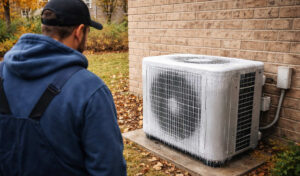
If you have a heat pump or central air system, the outdoor unit deserves some spring attention. Over the winter, leaves, moss, and debris often collect around the unit. That buildup can restrict airflow and reduce efficiency.
Start by shutting off power to the unit at the disconnect or breaker. Safety first. Then clear away leaves, twigs, and anything else sitting on or around the unit. We recommend keeping at least two feet of clear space on all sides so air can move freely.
You can also gently rinse the exterior fins with a garden hose. Do not use a pressure washer, as that can bend delicate fins. A light rinse helps remove dirt and pollen that can trap heat.
Here are a few quick outdoor checks to add to your list:
- Look for visible damage to fins or panels
- Make sure the unit is level on its pad
- Trim back shrubs or plants growing too close
- Listen for odd noises when the system runs
If you notice bent fins, oil spots, or loud grinding sounds, that is a good time to call in a professional.
Thermostat Check and Smart Settings for Spring
Spring is also a great time to revisit your thermostat settings. Many homeowners set it and forget it during winter, but those settings may not make sense once temperatures start to fluctuate.
Start by testing your thermostat. Switch between heating and cooling modes to make sure the system responds correctly. If the display is blank or unresponsive, it may be time for new batteries or a replacement.
If you use a programmable or smart thermostat, take advantage of seasonal scheduling. Mild spring days often mean you can use less heating and cooling overall. Adjusting your schedule can help reduce energy use without sacrificing comfort.
Some helpful thermostat tips include:
- Set wider temperature ranges when you are away from home
- Use scheduling instead of constant manual changes
- Avoid frequent adjustments that confuse the system
- Make sure the thermostat is not in direct sunlight or near heat sources
These small tweaks help your HVAC system run more efficiently and consistently through spring.
Checking Ducts, Vents, and Indoor Comfort Clues
Your HVAC system is more than just the equipment. The ductwork plays a huge role in how comfortable your home feels. Spring is a good time to do a visual check for obvious duct issues, especially in basements, crawl spaces, or attics if they are accessible.
Look for disconnected ducts, sagging sections, or visible gaps where air could be leaking. While sealing and repairing ducts is usually a professional job, spotting problems early can save money down the road.
Inside the home, pay attention to comfort clues. Uneven temperatures, stuffy rooms, or lingering odors can point to airflow or indoor air quality issues.
Keep an eye out for these common signs:
- Rooms that feel warmer or cooler than others
- Dust buildup shortly after cleaning
- Musty smells when the system runs
- Weak airflow from certain vents
If you notice any of these, it may be time to schedule a deeper inspection or tune-up.
Drain Lines, Condensate, and Moisture Management
Moisture is a big deal in the Pacific Northwest, and your HVAC system handles more of it than you might realize. Heat pumps and air conditioners produce condensate that needs to drain properly. When drain lines clog, water can back up and cause damage.
Locate the condensate drain line, usually a white PVC pipe near your indoor unit. Check for visible clogs, leaks, or standing water around the unit. You can often clear minor clogs by gently flushing the line with a mixture of water and vinegar.
Spring is also a good time to look for signs of excess moisture around vents, walls, or ceilings. Condensation issues can point to airflow problems or insulation concerns.
A few moisture-related checks to remember:
- Make sure the drain pan is clean and dry
- Look for rust or corrosion near the indoor unit
- Check for water stains around vents
- Listen for gurgling sounds from the drain line
If water keeps coming back or you see damage, it is best to bring in a professional before it turns into a bigger repair.
When DIY Stops and Professional Help Makes Sense
DIY maintenance is a great first step, but it has limits. Some tasks require specialized tools, training, and experience. Electrical components, refrigerant levels, and internal system adjustments should always be handled by licensed professionals.
Spring is an ideal time to schedule a professional tune-up, especially if your system is older or has not been serviced in a while. A thorough inspection can catch issues that are not visible from the outside and help ensure safe, efficient operation.
Think of DIY care as daily brushing and professional service as a dental cleaning. Both matter, and they work best together. When you combine simple homeowner maintenance with expert service, your system is set up for long-term performance and comfort.
Spring HVAC Piece of Mind With BelRed on Your Side
Spring maintenance is all about preparation. A little effort now helps avoid uncomfortable surprises later, and it keeps your Woodinville home running smoothly as the seasons change. Even if you handle the basics yourself, there is real value in having a trusted local expert take a closer look.
At BelRed Heating, Cooling, Plumbing & Electrical, we help homeowners throughout Woodinville and the Greater Seattle Area get the most out of their HVAC systems. Whether your heat pump needs a tune-up, your furnace is making strange noises, or you just want peace of mind before summer, we are here to help.
If you are ready to move from DIY checks to professional care, give BelRed a call at (855) 345-6161 or schedule your heating or cooling service online. We have been serving our community since 1986, and we would love to help keep your home comfortable, efficient, and worry-free this spring.