We have all been there. You settle into the living room, feeling comfortable, then walk down the hall and suddenly feel like you stepped into a completely different season. Cold spots in a home are more than just annoying; they are a sign that something is not working the way it should.
In the Greater Seattle Area, where damp cold tends to linger for months, uneven heating can make everyday life uncomfortable fast. The good news is that most cold spots have clear causes and practical solutions. Once you understand what is happening behind the walls and vents, it becomes much easier to restore consistent warmth throughout your home.
Cold spots in your home? Contact BelRed today at (855) 345-6161 for professional heating services in Seattle, WA, and the surrounding areas.
What Causes Cold Spots in Your Home?
Cold spots rarely happen for just one reason. In most homes, it is a combination of layout, insulation, airflow, and equipment performance. Over the years, we have seen patterns repeat themselves across Woodinville and surrounding communities, especially in older homes or homes that have been remodeled.
Here are the most common reasons certain rooms never seem to warm up properly:
- Poor insulation in walls, ceilings, or floors: When insulation is thin, damaged, or missing, heat escapes faster than your system can replace it. This often affects bonus rooms, basements, or spaces above garages that were not insulated as well during construction.
- Leaky or poorly designed ductwork: Ductwork that has gaps, loose connections, or long runs can lose heated air before it reaches certain rooms. Even small leaks can significantly reduce airflow, leaving some spaces noticeably colder than others.
- Air leaks around windows, doors, and framing: Drafts around window frames, exterior doors, or attic access points allow cold outdoor air inside. These air leaks constantly fight against your heating system, making it hard to maintain even temperatures.
- A heating system that is improperly sized: A system that is too small for the home may heat areas closest to the unit but struggle to reach distant rooms. This is common in homes that have added square footage without upgrading the heating equipment.
- Blocked or poorly placed vents and returns: Furniture, rugs, or curtains can block airflow without you realizing it. In some homes, vents were simply placed in less effective locations, which limits how evenly warm air circulates.
- Aging or underperforming heating equipment: As systems age, they lose efficiency and output. A furnace or heat pump nearing the end of its lifespan may run constantly but still fail to deliver consistent warmth to every room.
How Airflow Problems Create Uneven Heating
Airflow plays a bigger role in comfort than most people expect. Even if your heating system is in good shape, poor airflow can create stubborn cold spots that never seem to go away. Warm air has to move freely and consistently to do its job.
When airflow is restricted, heated air takes the path of least resistance. That means rooms closer to the system often feel warmer, while distant rooms are left behind. Over time, these imbalances become more noticeable, especially during colder weather.
Common airflow issues we see include:
- Closed or partially closed supply vents
- Return vents that are blocked or undersized
- Dirty air filters reducing overall airflow
- Long duct runs with multiple bends
- Poorly balanced duct systems
Addressing airflow issues is often one of the fastest ways to improve comfort. In many cases, small adjustments make a noticeable difference without major renovations.
Insulation and Drafts Make a Bigger Difference Than You Think
Even the best heating system cannot overcome poor insulation or constant drafts. Heat naturally moves toward cold, and when your home has weak spots, warmth escapes faster than it should. That creates rooms that never quite catch up.
Homes in the Pacific Northwest are especially vulnerable because of older construction styles and frequent moisture exposure. Over time, insulation can settle, compress, or become damaged, reducing its effectiveness.
Draft issues often show up as:
- Cold floors near exterior walls
- Noticeable temperature drops near windows
- Chilly hallways or stairwells
- Rooms that feel cold even when vents are blowing warm air
Sealing gaps and improving insulation not only reduces cold spots but also helps your system run more efficiently. It is a comfort upgrade that pays off long after winter ends.
When Heating Equipment Is Part of the Problem
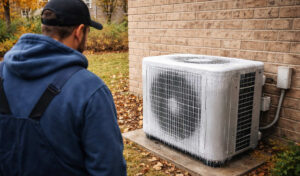
Sometimes the issue is not airflow or insulation at all, it is the heating equipment itself. Furnaces and heat pumps lose efficiency as they age, and components wear down over time. When that happens, heat output becomes inconsistent.
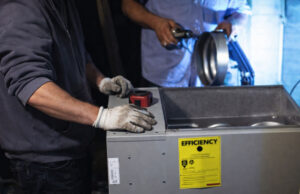
If some rooms are always cold no matter what adjustments you make, it may be time to consider professional heating services. Issues like failing blower motors, worn heat exchangers, or refrigerant problems can all affect performance.
Warning signs include:
- System running longer than usual
- Uneven temperatures getting worse over time
- Frequent cycling on and off
- Rising energy bills without added comfort
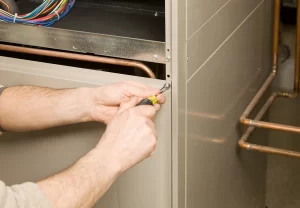
In some cases, targeted furnace repair or heat pump repair restores proper operation and balances temperatures throughout the home again.
Simple Adjustments You Can Try First
Not every cold spot requires a major fix. There are a few simple steps homeowners can take before calling in help. These adjustments often improve comfort enough to make a real difference.
Start by walking through your home and checking airflow. Make sure vents are open and not blocked by furniture. Replace air filters regularly, especially during heavy heating seasons.
Other helpful steps include:
- Keeping interior doors open to improve circulation
- Using curtains strategically to reduce heat loss at night
- Adjusting ceiling fans to push warm air downward
- Checking weather stripping around doors and windows
If these steps help but do not fully solve the issue, that usually means a deeper system or structural issue is at play.
Why Professional Evaluation Brings Better Long-Term Results
Cold spots are often symptoms of larger system imbalances. While quick fixes help, lasting comfort usually requires a professional assessment. HVAC professionals can measure airflow, inspect ductwork, and evaluate insulation and system performance as a whole.
Heating and cooling experts look at the home as a complete system, not just individual components. This approach helps identify root causes rather than temporary workarounds. It also prevents repeated frustration when cold rooms return year after year.
A professional evaluation may uncover:
- Hidden duct leaks or design flaws
- Air duct blockages
- Equipment that is no longer properly sized
- An improperly tuned thermostat
- Insulation gaps you cannot see
- Opportunities for zoning or system upgrades
This kind of insight allows for targeted solutions that actually fix the problem.
Get Rid of Cold Spots With Help From BelRed Heating, Cooling, Plumbing & Electrical
Living with cold spots does not have to be your norm. At BelRed Heating, Cooling, Plumbing & Electrical, we help homeowners across Woodinville and the Greater Seattle Area bring balance back to their homes. Our team understands how frustrating uneven temperatures can be, especially during long Northwest winters.
We take the time to evaluate your home, your system, and your comfort goals. Whether the solution involves airflow adjustments, insulation improvements, or professional repairs, we focus on what will actually make your home feel better. Our experienced HVAC professionals are here to help you enjoy consistent warmth in every room.
If certain areas of your home never seem to warm up, reach out to BelRed today. We are ready to help you solve the problem and provide any other heating services you may need. Call us at (855) 345-6161 or contact us online.