Here are some of the most commonly asked questions we hear:
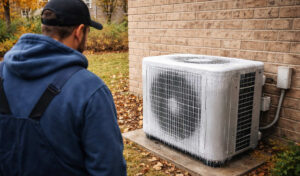
According to leading consumer and trade magazines, the US Department of Energy, PSE and PUD, the heating and cooling contractor you choose does make a difference. The same equipment can be installed in the same home by two different contractors, and there can be a difference in comfort, equipment efficiency, and overall life. Look for contractors that are NATE-certified, and factory trained and certified. They should do a “Manual” heat load analysis to properly size any new equipment. Make sure they are licensed, bonded and insured, and ask for proof of this. Be sure they permit all applicable work. Check their record with the state Attorney General’s office, Better Business Bureau and referral services like “Angie’s List”. Lastly, seek referrals from friends, family and neighbors with similar values and needs. If they’ve been happy, odds are that you’ll be happy. Yes. Not only are they required by law, but a permit also allows for third-party inspection of your new system. This ensures that your system meets all local code requirements, and will operate safely. According to The Department of Energy, Puget Sound Energy, PUD and industry standards, the only way to properly size a home heating or cooling system is to complete a “Manual J” heat load analysis. This takes into account many factors such as size and structure of the house, climate, air infiltration, the number and type of windows installed, insulation, appliances, and even the number of people living in the house. The U.S. government requires an efficiency rating of all air conditioning and heating equipment. The rating reflects the percentage of energy used efficiently, with higher ratings indicating higher efficiency. Gas heating appliances are rated according to their Annual Fuel Utilization Efficiency; the higher the AFUE rating, the more efficient the unit. The minimum rating for Energy Star compliance is 90 AFUE. The highest efficiency furnaces will exceed 95 AFUE. Air conditioning equipment is rated by the Seasonal Energy Efficiency Rating, or SEER; The higher the SEER rating, the more efficient the unit. The minimum rating for Energy Star compliance is 14 SEER. The highest efficiency air conditioners can meet or exceed 20 SEER. Heat pump equipment in the heating mode is rated by the Heating Seasonal Performance Factor, or HSPF; the higher the HSPF rating, the more efficient the unit. The minimum rating for Energy Star compliance is 8.2 HSPF. The highest efficiency heat pumps will meet or exceed 9 HSPF. If set to “auto”, the fan operates only when the temperature requires it. This is the most efficient setting. However, there are advantages to using the “on” setting. Air is constantly filtered through the unit’s filter, and the constantly circulating air results in a more even temperature throughout the house. Yes. Not only are they required by law, but a permit also allows for third-party inspection of your new system. This ensures that your system meets all local code requirements, and will operate safely. Depending on fuel prices, a gas furnace is about 40% less expensive. Gas is cleaner, more efficient, and less expensive (up to 50%). It warms more gently, only using the higher stages when needed. Variable speed “smart fans” are very quiet, and can alter air flow based on the needs of your home, creating more even temperatures and increased comfort. They also allow for constant airflow, providing increased filtration of the air in your home with low overall energy consumption. No. There have been great strides made in increasing the reliability of 90% furnaces. If you purchase a quality furnace AND it is installed properly, you shouldn’t see any real difference between the life of an 80% and 90% furnace. That depends on the size of the blower fan in your existing furnace, the capacity of your duct system, and the cooling needs of your home. Our consultants can inform you of your options, along with the cost and benefits of each. 220 volts. If you do not have this service available, we can arrange for an electrician to install it. Air conditioners work by transferring heat from inside your home to outside, effectively lowering the indoor temperature. Heat pumps work exactly the same way in the summer, but in the winter they can reverse the temperature exchange, providing one of the most efficient forms of heat available. Heat pumps heat more gently and evenly than furnaces, so if you’re used to a blast of hot air from your vents, you’ll have to get used to the new type of heat. They are, however, one of the most efficient forms of heat available, and work best when you set them to maintain a constant indoor temperature. No. Heat pumps gradually lose efficiency as the temperature drops. They typically need some help to heat your home when the outdoor temperature drops below about 35 degrees. This can be from a gas furnace (hybrid system), or an electric furnace or air handler. Locate your outdoor AC unit (see our products page if you’re unsure what it looks like), and check to make sure that it is running when your thermostat calls for cooling. If it is not running, or if it is running but is not cooling your home, turn it off at the thermostat and have it inspected by a qualified technician immediately. No; while tankless water heaters only heat water when you need it, that water still takes time to travel through your home. When properly sized and installed, a tankless water heater will provide endless hot water, so cold showers will be a thing of the past. They can also save energy costs by eliminating the need to heat stored water. That depends on the type of system you want, the size of the system required, and the condition of the work area, ductwork and other factors affecting the installation. We can give you an exact price after a consultation with one of our Consultants. No. BelRed stands behind every comfort system we sell. We can’t do that if you install it. No. BelRed stands behind every comfort system we install. We can’t do that without the support of the manufacturer, and a clear history of the equipment we are installing. What is R-22 and what is EPA608? What change is the EPA making in 2020? How do I know if I am affected by this new law? How does this affect me? What caused this law to be created by the EPA? If I do not get the R22 out of my cooling system, how will it affect me? What are my options? What if I want to wait to remove R22 from my system? Should I be concerned? How will BelRed help me with R-22 and EPA 608 compliance?Does the contractor I choose really make a difference?
How should I choose a heating and cooling contractor?
Do I really need a permit to install my new comfort system?
How do I know what size unit our house needs?
What do equipment rating numbers mean?
What does AFUE stand for?
What is a SEER?
What does HSPF stand for?
Should a thermostat be set to "auto" or "on"?
Will a furnace run on propane?
What is the operating cost comparison between a gas and propane furnace?
Why is natural gas better than oil heat?
What is the benefit of a multi-stage furnace?
What is a "variable speed" blower fan?
Are 80% furnaces more reliable than 90% furnaces?
Can I add Air Conditioning to my existing home comfort system?
How much electricity is needed to run an air conditioner?
What is the difference between an Air Conditioner and a Heat Pump?
Do Heat Pumps heat well?
Can I heat my home with just a Heat Pump?
I turned my thermostat to cool, but my home won’t cool down. What’s wrong?
Will a tankless water heater give me instant hot water?
How much will a new comfort system cost?
Can I buy a comfort system from you and install it myself?
If I buy a comfort system somewhere else, will you install it?
What do I need to know about the R-22 Phaseout?