If you have ever stood in a chilly Seattle kitchen in November wondering whether it is time to replace your heating system, you are not alone. One of the most common questions we hear from homeowners is whether to go with a heat pump or stick with a furnace.
We have compared the two in general terms before in our post on furnace vs. heat pump differences. This guide goes a step further and looks at the question through a Seattle lens: our weather, our older housing stock, and the way local families actually use their homes. By the end, you should have a much clearer idea of which direction makes sense for you.
The Quick Version: How Each System Works
A furnace creates heat. Most Seattle furnaces burn natural gas, while some homes use electric or oil furnaces. The furnace warms air and a blower pushes it through your ducts.
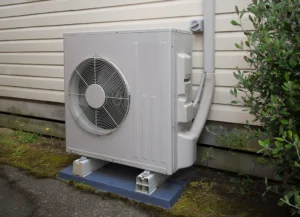
A heat pump moves heat instead of making it. In the winter it pulls heat from the outdoor air and brings it inside. In the summer it runs in reverse, pulling heat out of your home like an air conditioner. That is the big difference: one system handles both heating and cooling.
Seattle’s Climate Is Heat Pump Territory
The biggest factor in any heat pump vs. furnace decision is climate, and Seattle’s is about as friendly to heat pumps as it gets.
Our winters are long and damp, but they are mild. Most winter days land in the 40s, and nights usually hover in the 30s. Heat pumps are at their best in exactly those conditions. They can move a lot of heat efficiently when it is 40 degrees outside, and that efficiency adds up over a heating season that often stretches from October into May.
We do get the occasional cold snap, like the arctic air that pushed temperatures into the teens in recent winters. Older single-speed heat pumps could struggle on those days. Modern variable-speed and cold-climate models are a different story. They keep heating well below the temperatures Seattle normally sees, and a backup heat source can cover the rare extreme morning.
Don’t Forget About Summer
For years, a lot of Seattle homes got by without air conditioning. Then the June 2021 heat dome sent Sea-Tac to 108 degrees, and many homeowners started thinking differently. Summers have been warmer, and wildfire smoke sometimes makes opening the windows a bad idea.
This is where the heat pump really pulls ahead. A furnace only heats. If you choose a furnace, you will need a separate air conditioner if you want cooling. A heat pump gives you both from one system, with one outdoor unit and one set of maintenance visits.
When a Furnace Still Makes Sense
Heat pumps are a great fit for most Seattle homes, but a furnace is not always the wrong answer. A gas furnace might still be the better choice if:
- Your current furnace is fairly new and working well, and you do not need cooling right now.
- You love the feel of very warm air coming out of the vents on a cold morning.
- Your home is large and drafty, and you are not ready to tackle insulation or air sealing yet.
- Your home’s ductwork is too small for the airflow a heat pump needs, and duct changes are not practical.
If you are leaning toward a new furnace, our team can help with furnace installation in Seattle and make sure the system is sized properly for your home. And if your current furnace just needs attention, we also offer furnace repair.
Your Home Matters as Much as the Weather
Seattle neighborhoods are full of very different homes, and each type points in a slightly different direction.
Craftsman Bungalows and Older Homes
Many early 1900s homes in neighborhoods like Wallingford, Ravenna, and Greenwood started with oil or wood heat and got ductwork later, if at all. If your home has ducts, a ducted heat pump can often replace an aging furnace. If it does not, a ductless mini-split is often the simplest way to add efficient heating and cooling without tearing into plaster walls.
Mid-Century Ramblers and Split-Levels
Homes from the 1950s through the 1970s in areas like Lake City, Northgate, and parts of West Seattle usually have ductwork and a gas or electric furnace. These homes are often great candidates for a ducted heat pump or a hybrid system.
Newer Homes and Townhomes
Newer construction tends to be tighter and better insulated, which makes it easier for a heat pump to keep every room comfortable. Many new homes in Ballard, Fremont, and South Lake Union are already built with heat pumps.
Homes Still on Heating Oil
If you have an older oil furnace, you are probably already thinking about a change. Many Seattle homeowners with oil heat are moving to heat pumps rather than converting to gas.
Efficiency and Environmental Impact
Because a heat pump moves heat rather than burning fuel, it can deliver more heat energy than the electricity it uses. A gas furnace, even a high-efficiency one, can only turn a portion of its fuel into heat.
In Seattle, that difference goes even further. Seattle City Light gets most of its power from hydroelectric dams, so running a heat pump here means relying on some of the cleanest electricity in the country. For homeowners who want to cut their household’s carbon footprint, that is a big deal.
The Best of Both: Hybrid Dual-Fuel Systems
Still torn? You do not have to choose just one. A hybrid system pairs a heat pump with a gas furnace. The heat pump handles heating and cooling most of the year, and the furnace takes over on the coldest days. BelRed was one of the first companies in the Pacific Northwest to pioneer these hybrid gas and electric systems, and they are a great fit for many homes. Learn more about how dual-fuel systems work.
Heat Pump vs. Furnace in Seattle: A Side-by-Side Look
- Heating: Both keep Seattle homes warm. Heat pumps deliver steady, even warmth, while furnaces deliver hotter air in shorter bursts.
- Cooling: Heat pumps cool your home too. Furnaces need a separate air conditioner.
- Efficiency: Heat pumps are typically more efficient in Seattle’s mild winters.
- Fuel: Heat pumps run on electricity. Most furnaces here run on natural gas.
- Cold snaps: Furnaces handle extreme cold easily. Modern heat pumps handle Seattle’s typical cold well, with backup heat for the rare deep freeze.
- Ductwork: Furnaces need ducts. Heat pumps can be ducted or ductless.
So, Which One Is Right for You?
For most Seattle homes, a heat pump is the stronger long-term choice. It fits our climate, handles summer cooling, and runs on clean local power. A furnace or hybrid system still makes sense in some homes, especially when you have a newer furnace, a large drafty house, or a strong preference for gas heat.
The best way to know for sure is to have someone look at your home. Our comfort advisors can measure your heating and cooling needs, check your ductwork and electrical panel, and give you an honest recommendation. Learn more about heat pump installation in Seattle, explore all of our heat pump services, or schedule a consultation with the BelRed team. We have been helping Puget Sound families make this call since 1986, and we are happy to help you make it too.