Seattle summers used to be mild enough that many homes went without air conditioning. That has changed. Warmer stretches now arrive more often, and more Seattle homeowners are adding cooling for the first time or upgrading an older system.
Two options come up in almost every conversation: ductless mini-splits and central air conditioning. Both cool your home well, but they work in very different ways. This guide explains the key differences so you can decide which system fits your home, your layout, and the way you live.
How Central Air Conditioning Works
A central AC system cools your whole home from one place. An outdoor condenser connects to an indoor coil, usually installed with your furnace or air handler. The system cools the air and pushes it through a network of ducts to vents in each room. One thermostat controls the temperature for the entire house.
Central air is a natural fit for homes that already have ductwork in good condition. If your home has a forced-air furnace, much of the infrastructure is already in place.
How Ductless Mini Splits Work
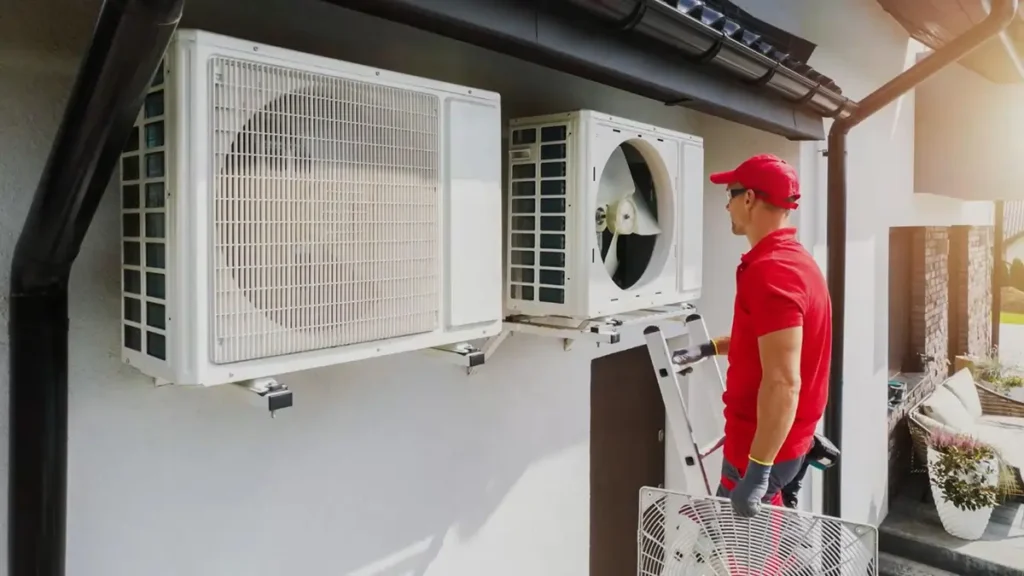
A ductless mini split also uses an outdoor unit, but it connects directly to one or more indoor units mounted on walls or ceilings. A small line set runs through the wall to carry refrigerant and power. Each indoor unit cools the room or zone where it is installed, and each one has its own controls.
Most mini splits are heat pumps, so they provide both cooling in summer and efficient heating in winter. Learn more about our ductless mini split services in the Seattle area.
Ductless Mini Splits vs. Central AC at a Glance
| Feature | Ductless Mini Split | Central AC |
|---|---|---|
| Ductwork needed | No | Yes |
| Temperature control | Room by room, with separate zones | One setting for the whole home |
| Heating included | Yes, most models are heat pumps | No, paired with a furnace or heat pump |
| Energy efficiency | Very high, with no duct losses | Good, but ducts can lose energy |
| Installation | Less invasive, small hole through the wall | Easier when good ducts already exist |
| Appearance | Visible indoor units on walls or ceilings | Hidden, only vents are visible |
| Best fit | Older homes, additions, remodels, hard-to-cool rooms | Homes with existing ducts and a forced-air furnace |
The Advantages of Ductless Mini Splits
No ductwork required. Many older Seattle homes, including craftsman bungalows and homes heated by baseboards or radiators, have no ducts. Mini splits let you add cooling without tearing open walls and ceilings.
Zoned comfort. Each indoor unit has its own thermostat, so you can cool the rooms you use and leave the rest alone. That helps in homes where an upstairs bedroom always runs hotter than the main floor. Our article on how ductless heat pumps improve room-by-room control goes deeper on zoning.
High efficiency. Ducts can lose a significant share of conditioned air through leaks and gaps, especially in attics and crawl spaces. Mini splits deliver air directly into the room, so less energy is wasted.
Year-round use. Because most mini splits are heat pumps, they also provide efficient heat during Seattle’s long, damp winters.
The Advantages of Central AC
Whole-home cooling. Central air cools every room evenly through a single system, which suits larger homes with open layouts.
A clean look. All you see indoors are the vents. There are no wall-mounted units, which some homeowners prefer.
It works with what you have. If your home already has a forced-air furnace and sound ductwork, adding central AC is usually straightforward. The same ducts also carry filtered air, which makes it easy to add whole-home air quality upgrades.
Which System Fits Your Seattle Home?
The right choice depends more on your home than on the equipment itself. Here are some general guidelines.
A ductless mini split is often the better fit if:
- Your home has no ductwork, or the ducts are old, leaky, or poorly placed.
- You want to cool a few specific rooms, an addition, a converted attic, or a garage space.
- Different family members prefer different temperatures.
- You want one system that both heats and cools efficiently.
Central AC is often the better fit if:
- You already have a forced-air furnace with ductwork in good condition.
- You want consistent cooling throughout a large, open home.
- You prefer a system with no visible indoor units.
Many homeowners also consider a central heat pump, which uses existing ducts like central AC but heats and cools like a mini split. Our guide to the difference between a heat pump and an air conditioner explains that option, and you can explore our heat pump services as well.
Get Expert Help Choosing Your Cooling System
Every home is different, and the best way to decide is with an in-home evaluation. A BelRed comfort advisor will look at your layout, insulation, existing ductwork, and comfort goals, then recommend the system that makes the most sense for you. If you want to compare specific mini split features first, our mini split buying guide is a helpful starting point.
Whether you choose a ductless system or central air conditioning installation, our NATE- and factory-certified technicians handle the job from start to finish. Call BelRed Heating, Cooling, Plumbing & Electrical at 855-345-6161 or schedule online to talk with our team about cooling your Seattle home.s