Heat Pump Maintenance That Keeps Up With Seattle Weather
A furnace works hard for a few months and then gets to rest. Your heat pump does not get that luxury. In Seattle, it handles heating from October through May and then flips over to cooling when summer heat shows up. That kind of year-round workload is exactly why regular maintenance matters so much here.
At BelRed Heating, Cooling, Plumbing & Electrical, we have been taking care of Seattle heating and cooling systems since 1986. Our heat pump maintenance in Seattle, WA is built around what our local climate throws at your equipment: steady rain, moss, falling leaves and fir needles, spring pollen, and the occasional summer of wildfire smoke. A tune-up from our technicians helps your system run efficiently, catch small problems early, and last as long as it should.
Why Seattle Heat Pumps Need Maintenance Twice a Year
Because your heat pump runs in both seasons, we recommend two visits a year.
Spring Tune-Up: Get Ready for Cooling
By spring, your system has just finished months of heating. A spring visit clears winter debris from the outdoor coil, checks refrigerant and electrical components, and makes sure cooling mode is ready before the first warm stretch. It is also a good time to swap in a fresh filter before cottonwood fluff, pollen, and summer smoke start clogging things up.
Fall Tune-Up: Get Ready for Heating
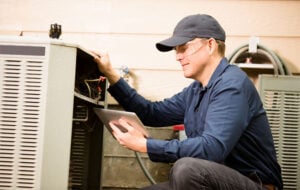
Fall visits focus on the heating season ahead. We clean off leaves and needles, test the defrost cycle, check backup heat strips, and make sure your system is ready for the long, damp stretch when it will be running most of the day. Homes in leafy neighborhoods like Laurelhurst, Montlake, and Mount Baker tend to collect a lot of debris around outdoor units this time of year.
What’s Included in a BelRed Heat Pump Tune-Up
Every maintenance visit covers both the indoor and outdoor parts of your system.
Outdoor Unit
- Clean the outdoor coil and clear away leaves, moss, and debris
- Straighten bent coil fins and check the fan blade and motor
- Inspect refrigerant lines and insulation for wear or damage
- Confirm the unit is level and draining properly
Indoor Unit
- Inspect or replace the air filter
- Check the blower motor, wheel, and belts if applicable
- Inspect the indoor coil and clear the condensate drain line and pan
- Check airflow at the supply and return vents
Electrical and Controls
- Test capacitors, contactors, and relays
- Tighten electrical connections and check voltage and amperage
- Calibrate the thermostat and test system controls
- Test the reversing valve and defrost controls
Performance Testing
- Check refrigerant pressures and temperature split
- Run the system in both heating and cooling modes
- Test auxiliary heat strips or furnace backup on hybrid systems
- Share a clear report on your system’s condition and anything to watch