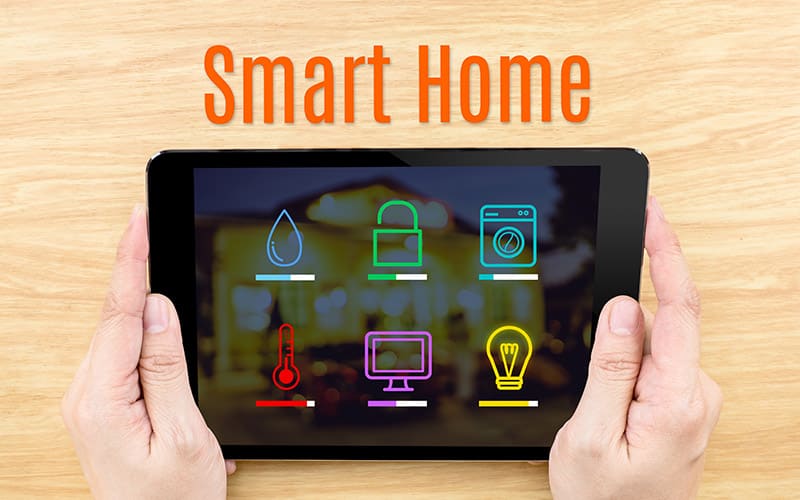
Smart technology is no longer a futuristic concept reserved for tech enthusiasts, it’s part of everyday life. From adjusting lighting with a phone app to managing security cameras remotely, homes across the Seattle area are becoming smarter and more connected.
One of the most impactful ways to take advantage of this technology is by integrating your heating and cooling systems into your smart home setup. Done properly, the result is comfort, convenience, and efficiency all working together without any hassle.
Why Smart HVAC Integration Matters
Traditional thermostats do the job, but they don’t offer the same level of control as smart systems. Smart HVAC integration allows you to manage temperature, airflow, and scheduling from your phone, tablet, or voice assistant. The system learns your patterns and adjusts automatically, keeping your home comfortable without wasting energy.
By connecting your HVAC with smart home technology, you gain more than just convenience; you gain precision. With better control, you’re not heating or cooling empty rooms, and your home always feels just right.
Key Benefits of Smart HVAC Systems
Smart HVAC systems bring more than one advantage to the table. Here are some of the top benefits homeowners notice right away:
- Energy efficiency: Smart thermostats and connected systems cut unnecessary energy use, reducing monthly bills while keeping comfort high.
- Remote access: Whether you’re at work or on vacation, you can monitor and adjust your HVAC with a simple app.
- Customized schedules: Systems can be programmed to match your daily routines, ensuring comfort when you’re home and savings when you’re away.
- Integration with other devices: Smart HVAC ties in with lighting, blinds, and security systems for a fully connected experience.
- Maintenance alerts: Smart systems send notifications for filter changes, servicing, or efficiency issues before they become serious problems.
- Comfort zoning: Adjust different rooms individually, so no one argues over thermostat settings anymore.
These advantages create a smoother, smarter, and more sustainable way of living.
Smart Thermostats: The Heart of Integration
Have you ever considered upgrading to a smart thermostat? Here are a few things to know about these devices.
What They Do
Smart thermostats act as the control hub for your heating and cooling system. They connect to Wi-Fi and pair with apps, allowing you to adjust temperatures from anywhere. Many models even use sensors and geofencing to detect when you’re home or away.
Why They’re Essential
Without a smart thermostat, HVAC integration is limited. It bridges the gap between traditional equipment and modern automation. For Seattle homeowners, where weather can swing from damp and chilly to warm and dry, having responsive control is key.
Smart thermostats also track your usage and provide insights. That data helps you understand your habits and make smarter energy-saving decisions.
Creating Comfort Zones in Your Home
Zoned comfort is one of the biggest upgrades smart HVAC integration offers. Instead of heating or cooling your entire home to the same temperature, zoning lets you customize comfort levels by area.
- Bedrooms: Keep them cooler at night for better sleep.
- Living areas: Maintain cozy warmth during family time without wasting heat in empty rooms.
- Home offices: Adjust temperatures while you work, then cut energy use when you leave.
- Basements or attics: Smart zoning makes previously uncomfortable spaces more usable year-round.
The result is not only improved comfort but also reduced wear on your HVAC system since it no longer has to condition every corner of the house at once.
Challenges and Considerations
Smart HVAC integration offers huge benefits, but it isn’t without a few hurdles to think about. Before making the switch, homeowners should be aware of potential challenges that could affect performance or convenience. From system compatibility to internet reliability and proper installation, understanding these considerations upfront helps ensure your smart home investment runs smoothly and effectively.
Compatibility
Not every HVAC system is smart-ready. Older equipment may need upgrades or additional hardware before it can be integrated seamlessly.
Internet Reliability
Since smart HVAC relies on Wi-Fi, a strong and consistent internet connection is a must. Weak signals can affect performance or create delays.
Professional Installation
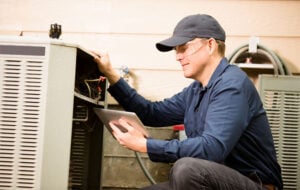
DIY solutions are tempting, but integrating HVAC with smart systems requires technical expertise. A professional ensures compatibility, safety, and proper setup for maximum benefit.
Considering these factors helps homeowners make smart choices and ensures the system delivers everything it promises.
Smart HVAC and Energy Savings in the Seattle Metropolitan Area
Energy costs are a big concern for many families. Smart HVAC integration offers direct solutions that help reduce these costs without compromising comfort.
- Smart scheduling prevents heating or cooling an empty house.
- Zoned systems reduce wasted energy in unused rooms.
- Detailed reports from your thermostat help track energy use and identify patterns.
- Integration with other devices, like blinds or ceiling fans, creates layered energy savings.
For homeowners in the Seattle Metropolitan area, where weather shifts frequently, these features are particularly valuable. You get consistent comfort, whether battling damp winters or warm summer afternoons, while keeping your bills under control.
Security and Smart HVAC Systems
When adding any smart technology, security should be part of the conversation. HVAC systems connected to your Wi-Fi can potentially be vulnerable if not protected.
Data Protection
Most smart thermostat manufacturers include strong encryption and regular updates, but homeowners should still secure their networks with strong passwords and firewalls.
Safe Remote Access
Always use official apps and avoid third-party software when controlling your HVAC remotely. That ensures your data stays secure and your system remains safe from breaches.
With the right precautions, smart HVAC integration remains both safe and efficient.
The Future of HVAC and Smart Home Integration
Smart technology is evolving quickly, and HVAC systems are at the center of this trend. In the near future, we can expect even smarter automation, with systems that adapt to weather forecasts, energy grid demands, and your daily patterns without any input.
Imagine your HVAC lowering the temperature when Seattle’s utility rates spike in the evening, or warming your home before a cold front arrives. These possibilities are becoming realities, and by integrating your HVAC now, you’ll be ready for what comes next.
Contact BelRed for Top-Tier Smart HVAC Solutions in Seattle, WA
Integrating HVAC into your smart home system doesn’t have to be complicated. With the right guidance and professional installation, you can enjoy the benefits of efficiency, comfort, and convenience every day.
BelRed Heating, Cooling, Plumbing & Electrical has been serving Seattle homeowners for over 35 years, providing innovative solutions tailored to the unique needs of the Pacific Northwest. Whether you’re interested in smart thermostats, zoning systems, or complete upgrades, our licensed technicians are here to help. Call us today to explore your options and discover how smart HVAC can transform your home.